EVOLUTION OF BUSINESS ANALYTICS
Evolution of Business Analytics
Business Analytics (BA) has evolved as organizations increasingly relied on data to support decision-making. The evolution can be broadly classified into four major stages, reflecting advancements in technology, data availability, and analytical techniques.
1. Descriptive Analytics (What happened?)
Time Period: 1960s–1990s
- Focuses on summarizing historical data
- Uses basic statistical tools and reporting techniques
- Answers questions like “What happened?”
- Relies on structured data from internal sources
- Common tools:
- Reports
- Dashboards
- Data aggregation
- Example: Monthly sales reports, financial statements
Limitations:
- No insight into causes or future outcomes
2. Diagnostic Analytics (Why did it happen?)
Time Period: 1990s–2000s
- Builds upon descriptive analytics
- Identifies reasons behind past outcomes
- Uses drill-down and comparative analysis
- Answers “Why did it happen?”
- Techniques include:
- Data mining
- Correlation analysis
- Root cause analysis
Example:
- Identifying reasons for decline in sales in a specific region
3. Predictive Analytics (What will happen?)
Time Period: 2000s–2010s
- Uses historical data to forecast future outcomes
- Applies statistical models and machine learning algorithms
- Answers “What is likely to happen?”
- Techniques include:
- Regression analysis
- Time series forecasting
- Classification models
Example:
- Predicting customer churn
- Demand forecasting
Advantage:
- Enables proactive decision-making
4. Prescriptive Analytics (What should be done?)
Time Period: 2010s–Present
- Most advanced stage of analytics
- Recommends optimal actions based on predictions
- Combines predictive models with optimization techniques
- Answers “What should we do?”
- Techniques include:
- Optimization models
- Simulation
- AI-based decision systems
Example:
- Dynamic pricing strategies
- Supply chain optimization
5. Emergence of Big Data and Advanced Analytics
Recent Developments:
- Growth of Big Data (Volume, Velocity, Variety)
- Use of unstructured data (social media, text, images)
- Integration of:
- Artificial Intelligence (AI)
- Machine Learning (ML)
- Deep Learning
- Real-time analytics and cloud computing
Business Impact:
- Data-driven strategic decision-making
- Personalized customer experiences
- Competitive advantage
Summary Table
| Stage | Key Question | Focus |
| Descriptive | What happened? | Past performance |
| Diagnostic | Why did it happen? | Cause analysis |
| Predictive | What will happen? | Forecasting |
| Prescriptive | What should be done? | Decision optimization |
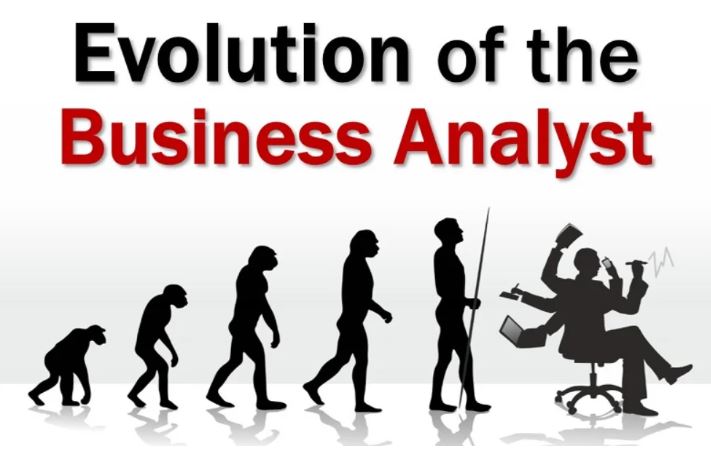
The evolution of Business Analytics reflects a shift from basic reporting to intelligent, automated decision-making. Modern organizations leverage advanced analytics to enhance efficiency, reduce risk, and gain sustainable competitive advantage.