GOVERNMENT INITIATIVES – Unit 5

Unit-5: GOVERNMENT INITIATIVES                                                                                                 4Hours

Start-up India Schemes- Central Government initiative for start-up; Start-up Karnataka.

Make in India Schemes- Ease of doing Business-Industrial Corridors: Sectors-IT, Tourism, Food processing.

Start-up India Schemes[1]

Startup India is a flagship initiative of the Government of India, intended to build a strong eco-system for nurturing innovation and Startups in the country that will drive sustainable economic growth and generate large scale employment opportunities. The Government through this initiative aims to empower Startups to grow through innovation and design.

In order to meet the objectives of the initiative, Government of India is announcing this Action Plan that addresses all aspects of the Startup ecosystem. With this Action Plan the Government hopes to accelerate spreading of the Startup movement:

• From digital/ technology sector to a wide array of sectors including agriculture, manufacturing, social sector, healthcare, education, etc.; and

• From existing tier 1 cities to tier 2 and tier 3 citites including semi-urban and rural areas.

The Action Plan is divided across the following areas:

• Simplification and Handholding

• Funding Support and Incentives

• Industry-Academia Partnership and Incubation

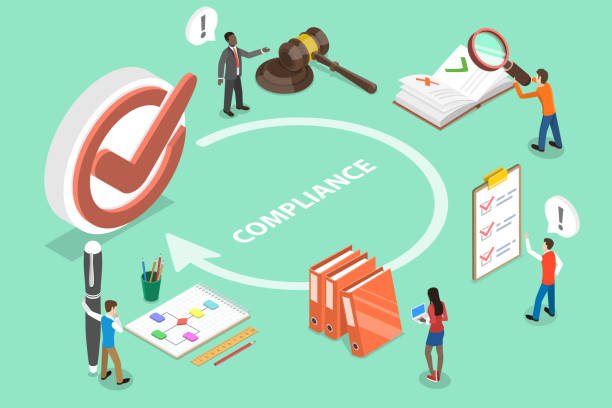
1 Compliance Regime based on Self-Certification

Objective

To reduce the regulatory burden on Startups thereby allowing them to focus on their core business and keep compliance cost low Details Regulatory formalities requiring compliance with various labour and environment laws are time consuming and difficult in nature. Often, new and small firms are unaware of nuances of the issues and can be subjected to intrusive action by regulatory agencies. In order to make compliance for Startups friendly and flexible, simplifications are required in the regulatory regime.

Accordingly, the process of conducting inspections shall be made more meaningful and simple. Startups shall be allowed to self-certify compliance (through the Startup mobile app) with 9 labour and environment laws (refer below). In case of the labour laws, no inspections will be conducted for a period of 3 years. Startups may be inspected on receipt of credible and verifiable complaint of violation, filed in writing and approved by at least one level senior to the inspecting officer.

In case of environment laws, Startups which fall under the ‘white category’ (as defined by the Central Pollution Control Board (CPCB)) would be able to self-certify compliance and only random checks would be carried out in such cases.

Labour Laws:

• The Building and Other Constructions Workers’ (Regulation of Employment & Conditions of Service) Act, 1996

• The Inter-State Migrant Workmen (Regulation of Employment & Conditions of Service) Act, 1979

• The Payment of Gratuity Act, 1972

• The Contract Labour (Regulation and Abolition) Act, 1970

• The Employees’ Provident Funds and Miscellaneous Provisions Act, 1952

• The Employees’ State Insurance Act, 1948

Environment Laws:

• The Water (Prevention & Control of Pollution) Act, 1974

• The Water (Prevention & Control of Pollution) Cess (Amendment) Act, 2003

• The Air (Prevention & Control of Pollution) Act, 1981

2 Startup India Hub

Objective

To create a single point of contact for the entire Startup ecosystem and enable knowledge exchange and access to funding

Details

Young Indians today have the conviction to venture out on their own and a conducive ecosystem lets them watch their ideas come to life. In today’s environment we have more Startups and entrepreneurs than ever before and the movement is at the cusp of a revolution. However, many Startups do not reach their full potential due to limited guidance and access.

The Government of India has taken various measures to improve the ease of doing business and is also building an exciting and enabling environment for these Startups, with the launch of the “Startup India” movement

The “Startup India Hub” will be a key stakeholder in this vibrant ecosystem and will:

• Work in a hub and spoke model and collaborate with Central & State governments, Indian and foreign VCs, angel networks, banks, incubators, legal partners, consultants, universities and R&D institutions

• Assist Startups through their lifecycle with specific focus on important aspects like obtaining financing, feasibility testing, business structuring advisory, enhancement of marketing skills, technology commercialization and management evaluation

• Organize mentorship programs in collaboration with government organizations, incubation centers, educational institutions and private organizations who aspire to foster innovation. To all young Indians who have the courage to enter an environment of risk, the Startup India Hub will be their friend, mentor and guide to hold their hand and walk with them through this journey

3 Rolling-out of Mobile App and Portal

Objective

To serve as the single platform for Startups for interacting with Government and Regulatory Institutions for all business needs and information exchange among various stakeholders

Details In order to commence operations, Startups require registration with relevant regulatory authorities. Delays or lack of clarity in registration process may lead to delays in establishment and operations of Startups, thereby reducing the ability of the business to get bank loans, employ workers and generate incomes. Enabling registration process in an easy and timely manner can reduce this burden significantly.

Besides, Startups often suffer from the uncertainty regarding the exact regulatory requirements to set up its operations. In order to ensure that such information is readily available, it is intended that a checklist of required licenses covering labour licensing, environmental clearances etc. be made available. Currently, the Startup ecosystem in India also lacks formal platform(s) for Startups to connect and collaborate with other ecosystem partners.

Towards these efforts, the Government shall introduce a Mobile App to provide on-the-go accessibility for:

• Registering Startups with relevant agencies of the Government. A simple form shall be made available for the same. The Mobile App shall have backend integration with Ministry of Corporate Affairs and Registrar of Firms for seamless information exchange and processing of the registration application

• Tracking the status of the registration application and anytime downloading of the registration certificate. A digital version of the final registration certificate shall be made available for downloading through the Mobile App

• Filing for compliances and obtaining information on various clearances/ approvals/ registrations required

• Collaborating with various Startup ecosystem partners. The App shall provide a collaborative platform with a national network of stakeholders (including venture funds, incubators, academia, mentors etc.) of the Startup ecosystem to have discussions towards enhancing and bolstering the ecosystem

• Applying for various schemes being undertaken under the Startup India Action Plan

The App shall be made available from April 01, 2016 on all leading mobile/ smart devices’ platforms. The Startup portal shall have similar functionalities (being offered through the mobile app) using a richer web-based User Interface

4 Legal Support

Objective

To promote awareness and adoption of IPRs by Startups and facilitate them in protecting and commercializing the IPRs by providing access to high quality Intellectual Property services and resources, including fast-track examination of patent applications and rebate in fees.

Details

Intellectual Property Rights (IPR) are emerging as a strategic business tool for any business organization to enhance industrial competitiveness. Startups with limited resources and manpower, can sustain in this highly competitive world only through continuous growth and development-oriented innovations; for this, it is equally crucial that they protect their IPRs. The scheme for Startup Intellectual Property Protection (SIPP) shall facilitate filing of Patents, Trademarks and Designs by innovative Startups. Various measures being taken in this regard include:

• Fast-tracking of Startup patent applications: The valuation of any innovation goes up immensely, once it gets the protective cover of a patent. To this end, the patent application of Startups shall be fast-tracked for examination and disposal, so that they can realize the value of their IPRs at the earliest possible.

• Panel of facilitators to assist in filing of IP applications: For effective implementation of the scheme, a panel of “facilitators” shall be empanelled by the Controller General of Patents, Designs and Trademarks (CGPDTM), who shall also regulate their conduct and functions. Facilitators will be responsible for providing general advisory on different IPRs as also information on protecting and promoting IPRs in other countries. They shall also provide assistance in filing and disposal of the IP applications related to patents, trademarks and designs under relevant Acts, including appearing on behalf of Startups at hearings and contesting opposition, if any, by other parties, till final disposal of the IPR application.

• Government to bear facilitation cost: Under this scheme, the Central Government shall bear the entire fees of the facilitators for any number of patents, trademarks or designs that a Startup may file, and the Startups shall bear the cost of only the statutory fees payable.

• Rebate on filing of application: Startups shall be provided an 80% rebate in filing of patents vis-a-vis other companies. This will help them pare costs in the crucial formative years. The scheme is being launched initially on a pilot basis for 1 year; based on the experience gained, further steps shall be taken

5 Relaxed Norms of Public Procurement for Startups

Objective

To provide an equal platform to Startups (in the manufacturing sector) vis-à-vis the experienced entrepreneurs/ companies in public procurement Details

Typically, whenever a tender is floated by a Government entity or by a PSU, very often the eligibility condition specifies either “prior experience” or “prior turnover”. Such a stipulation prohibits/ impedes Startups from participating in such tenders.

At present, effective April 1, 2015 Central Government, State Government and PSUs have to mandatorily procure at least 20% from the Micro Small and Medium Enterprise (MSME).

In order to promote Startups, Government shall exempt Startups (in the manufacturing sector) from the criteria of “prior experience/ turnover” without any relaxation in quality standards or technical parameters. The Startups will also have to demonstrate requisite capability to execute the project as per the requirements and should have their own manufacturing facility in India

6 Faster Exit for Startups

Objective

To make it easier for Startups to wind up operations

Details

Given the innovative nature of Startups, a significant percentage fail to succeed. In the event of a business failure, it is critical to reallocate capital and resources to more productive avenues and accordingly a swift and simple process has been proposed for Startups to wind-up operations. This will promote entrepreneurs to experiment with new and innovative ideas, without having the fear of facing a complex and long-drawn exit process where their capital remain interminably stuck.

The Insolvency and Bankruptcy Bill 2015 (“IBB”), tabled in the Lok Sabha in December 2015 has provisions for the fast track and / or voluntary closure of businesses.

In terms of the IBB, Startups with simple debt structures or those meeting such criteria as may be specified may be wound up within a period of 90 days from making of an application for winding up on a fast track basis. In such instances, an insolvency professional shall be appointed for the Startup, who shall be in charge of the company (the promoters and management shall no longer run the company) for liquidating its assets and paying its creditors within six months of such appointment. On appointment of the insolvency professional, the liquidator shall be responsible for the swift closure of the business, sale of assets and repayment of creditors in accordance with the distribution waterfall set out in the IBB. This process will respect the concept of limited liability.

7 Providing Funding Support through a Fund of Funds with a Corpus of INR 10,000 crore

Start-up Karnataka.[1]

The State of Karnataka, especially its multicultural and multilingual capital, is the Nations’ leading startup hub and the world’s second fastest growing start-up ecosystem. Statistics suggest that Bangalore is now home for around 3,100 to 4,900 active tech startups. It ranks fifteen among the best 21st-century start-up ecosystems across the Globe. Given these facts, it is no wonder that the State was the first to come up with a dedicated Startup Cell. The Startup Karnataka initiative was founded by the Karnataka Government with the object of boosting the scope of startups in the State through strategic investment and policy interventions by leveraging the robust innovation climate in Bangalore. This article is a detailed account of the Nation’s first-ever comprehensive startup policy.

Objective

Through the Startup Karnataka initiative, the State Government seeks to ensure that Bengaluru continues to be the most important startup hub in the country, while other cities of the state are developed as startup destinations on par with thirty international startup hubs. Apart from this, it seeks to:

  • Stimulate the growth of 20,000 technology-based startups including 6,000 product startups by the year 2020.
  • Generate six lakhs of direct and twelve lakhs of indirect employment opportunities in the sector.
  • Mobilize a sum of Rs. 2,000 crores of funding for investment in startups solely through Government intervention, by leveraging the Fund of Funds proposed to be constituted by the State Government.
  • Facilitate the generation of at least 25 Innovative Technology solutions which could impact sectors like Health Care, Food Security, Clean environment and Education for all, etc.
  • Connect entrepreneurs to Government Departments to help them in implementing their Pilots.
  • Provide a One-Stop-Shop platform for information on the regulatory environment, incentives, events and the likes of it.
  • Partner with industry bodies, TBIs, Academic Institutions, Incubators, etc from the Startup Ecosystem.
  • Provide startups with the opportunity of widening its network by enabling participation in International Conferences organized by the program.

Vision

The program, as already stated, is envisioned to create a state-of-the-art startup ecosystem in the State through investment and policy interventions leveraging the robust innovation climate in Bangalore.

New Age Incubation Network

It is always never too late, indeed! But on the same note, it cannot be contested that the age of youth is the most appropriate time to instill the desired qualities. This is precisely the objective of the New Age Incubation Network (NAIN). The Network, which is already being implemented in engineering colleges will now be expanded to all professional and post-graduate institutions in two-tier cities in a phased manner. The academic institution selected for this purpose would be assisted in establishing an incubator in the given discipline, as well as in the promotion of student projects. These institutions would be graded as per Key Performance Indicators (KPI) and would be financially aided for a three-year period. Institutions that perform well would be rendered assistance for another two years.

Placing of Technology Business Incubators

The State Government seeks to play a helping hand in the placing of TBIs in institutions of higher learning with well-developed Research and development facilities. This move has been propagated with the idea of fostering a strong link between R&D institutions and the industry. The mechanism would be implemented in the below-mentioned thrust areas:

  • Information and Communication Technology (ICT)/Internet of Things (IoT)/Software Products
  • Manufacturing of all kinds
  • Healthcare and Biopharma
  • Agriculture and allied fields
  • Clean-Tech
  • Energy
  • Water and its recycling
  • Education
  • Nanotechnology and Composites

The general norms mandate the host institutions to provide land and built-up space for TBI. Also, these institutes are obligated to share available facilities and expertise for the setting up of TBI. The funding for these institutions would be determined on a case-to-case basis.

Make in India Schemes

Launched in September 2014, the Make in India Program is a government initiative focused on encouraging companies to manufacture in India. This government initiative is intended to boost the domestic manufacturing sector and augment foreign investment in the country.

Make in India Program

The make in India program is one of the key projects of the government of India. Through the Make in India program, the government intends to:

  • Revive the  manufacturing sector of India to enhance the growth of the economy.
  • Encourage foreign businesses to invest in India for their manufacturing needs.
  • Improve India’s rank in ‘Ease of Doing Business index. Ease of doing business is a report published by The World Bank. It compares the Business Regulation in 190 Economies. In 2020, India’s rank in the Ease of Doing Business Index was 63.
  • Develop India into a global manufacturing hub.
  • And to boost employment opportunities in the country.

Sectors Covered Under Make in India Program

Through the Make in India program, the government is focused on creating jobs and launching skill development programmes in some of the key sectors. These sectors include:

Sectors Covered Under Make In India Program

Automobiles

Construction

Ports

Tourism and hospitality

Biotechnology

Aviation

Defence manufacturing

Leather

Railways.

Space

Chemicals

Electrical machinery

Media and entertainment

Automobile components

Thermal power

IT & BPM

Food processing

Wellness

Renewable energy

Pharmaceuticals

Textiles and garments

Mining

Mining

Objectives of Make in India Program

There are several targets aimed at by the Make in India Program. They are:

  • Raising the growth in the manufacturing sector to 12-14% per year.
  • Creation of 100 million additional jobs in the manufacturing sector by 2022.
  • Increasing the share of the manufacturing sector in the GDP to 25% by 2022.
  • Skill Development among the urban poor and the rural migrants to foster inclusive growth.
  • Encouraging environmentally sustainable growth.
  • Enhancing the global competitiveness of the Indian manufacturing sector.

Key Schemes Launched to Support Make In India Program

There are various key schemes launched by the government of India to support the Make in India campaign from time to time. These include:

  • Skill India Mission: This mission aims to skill 10 million in India annually in various sectors. To support the effective implementation of the Make In India campaign, there is a need to upskill the large human resource available. Currently, the percentage of formally skilled workforce in India is only 2% of the population. The Skill India programme aims to widen this percentage through various skill development programmes across the country.
  • Startup India: Startup India Program aims to build an ecosystem that fosters the growth of startups, driving sustainable economic growth, and creating large-scale employment. Under this program, the government has introduced several key relaxations for entrepreneurs.
  • Digital India:This aims to transform India into a knowledge-based and digitally empowered economy by making many services completely online.
  • Pradhan Mantri Jan Dhan Yojana (PMJDY): The mission envisages financial inclusion to ensure access to financial services, namely banking savings & deposit accounts, remittances, credit, insurance, pension in an affordable manner.
  • Smart Cities: This mission aims to transform and rejuvenate Indian cities. The goal is to create 100 smart cities in India through several sub-initiatives.
  • AMRUT: AMRUT is the Atal Mission for Rejuvenation and Urban Transformation. It aims to build basic public amenities and make 500 cities in India more livable and inclusive.
  • Swachh Bharat Abhiyan: This mission aims to make India cleaner and promote basic sanitation and hygiene.
  • Sagarmala: This scheme aims at developing ports and promoting port-led development in the country. Several ports are being constructed and renovated under this project.
  • International Solar Alliance (ISA): The ISA is an alliance of countries most of which lie in the temperate zone. This is India’s initiative aimed at promoting research and development in solar technologies and formulating policies in that regard. The headquarters of ISA is in Gurugram.
  • AGNII: AGNII or Accelerating Growth of New India’s Innovation was launched to push the innovation ecosystem in the country by connecting people and assisting in commercializing innovations.

– Ease of doing Business-Industrial Corridors: Sectors-IT, Tourism, Food processing.

https://www.startupindia.gov.in/content/sih/en/international/go-to-market-guide/government-initiatives.html


[1] https://www.indiafilings.com/learn/startup-karnataka/


[1] https://www.startupindia.gov.in/content/dam/invest-india/Templates/public/Action__Plan.pdf

WOMEN ENTREPRENEURSHIP – Unit 4

Unit-4: WOMEN ENTREPRENEURSHIP                                                                                             5 Hours

Definition of Women Entrepreneurs, Factors influencing Women Entrepreneurs, Problems of Women Entrepreneurs and Remedial Measures, Development of Women Entrepreneurs and Women Entrepreneurship, Association Promoting women entrepreneurs, Stand up India schemes for women-Central and State level.

Definition of Women Entrepreneurs:

A women entrepreneur is one who is innovative, confident, financially independent women, proficient in achieving self-economic independence, creates employment opportunities for the people, by promoting, setting up, and operating an enterprise, combining factors of production, undertake risks while keeping pace with personal and social life.

Factors influencing Women Entrepreneurs:[1]

Factor # (I) Motivational Needs:

The following are the motivational needs for which modern women are motivated to become entrepreneurs:

1) Economic Necessity:

In business, the entry of women is relatively a new phenomenon. Because of the break-up of the joint family system and the need for additional income for maintaining the living standards in the face of inflation or rising prices, women have started entering the most competitive world of business. Thus, because of the economic necessity, women have begun entering business field for earning some income and increasing their family income in modern days of inflation.

2) Desire for High Achievement:

Another motive force compelling women to enter business world is their strong desire for high achievement in their life. In modern days, though women are educated, they are not able to find jobs in the market place or they may not be able to go out of their homes for working somewhere else because of family problems.

Therefore, a woman is tempted strongly by a desire to achieve something high and valuable and prove herself as an asset and not a liability to the family. This is the strongest motivating force for a woman to become an entrepreneur.

3) Independence:

Another strong motive force compelling a woman to become an entrepreneur is to lead an independent life with self-confidence and self-respect. The ownership and control of a successful business provides a woman entrepreneur a prestigious status, personal reputation and a sense of independence in the society.

4) Government Encouragement:

The Government and non-government bodies have started giving increasing attention and encouragement to women’s economic conditions through self- employment and business ventures.

They have formulated various policies and programmes and introduced various incentive schemes to promote women entrepreneurs in the country. Such encouragement and incentive schemes have induced women to undertake business mentors.

5) Education:

Women have been taking up various kinds of technical, vocational, industrial, commercial and specialised education so as to qualify themselves to be self-employed in some kind of trade, occupation, vocation or business. Facilities are also being provided to women in areas where they can grow and blossom as persons in their own right. Women have proved in modern days that they are no less than men in efficiency, hard work or intelligence or even they can surpass men in several fields.

6) Model Role:

Women, like men, are also desirous of contributing their part to the economic development of their country. Similarly, our women in India would like to play a key role model. They have already entered other fields like politics, education, social field, administration, etc. Now they have started entering the business field where they can also show their importance as in other fields.

7) Family Occupation:

Family occupation is an important factor motivating a woman member to participate in the family business, along with her husband and other members of the family. There is a great need for women to undertake economic activity or business of the family and support their families in family occupation or family business so as to reduce the expenses of the family business and increase its income.

8) Employment Generation:

Another influencing factor that motivates women to become entrepreneurs is the creation of employment opportunities. Women entrepreneurs generally take up labour intensive small scale and village industries or handicrafts and they have high potential in employment generation. Therefore, they serve as a solution to the widespread problem of women unemployment to some extent.

9) Self Identity and Social Status:

Women desire to enjoy some social status and recognition in the society. Women entering business can achieve such a position of self-identity and recognition of social status because they come in contact with high level officers, ministers, authorities, and others holding high positions.

10) Growing Awareness:

With the spread of education and the growing awareness among women, the women entrepreneurs have been increasing, not only in the kitchen extension activities i.e. the 3 Ps viz. pickles, powder (masala) and papad or the traditional cottage industries, such as toy-making, basket-making etc. as they require less technical know-how, but they are entering also into engineering, electronics and many other industries which require high level technical skill. Thus, women entrepreneurs are found in such technical industries as T.V. capacitor, electronic ancillaries, and small foundries.

Thus, in modern days, women do not want to stay within the four walls of a house but they want to become, like their male, counterparts, achievement-oriented, career-minded and economically independent so that they would be able to provide costly high level medical and technical education to their children and, lead a high standard of living in their life.

Problems of Women Entrepreneurs and Remedial Measures:

The greatest problem faced by women entrepreneurs is that they are women. We are living in a male dominated society. They have to face several economic and social problems. Usually, they will not get any support or co-operation from various financial institutions, male entrepreneurs or even from their families.

They have to face resistance not only from men but also from elderly women who are ingrained with this attitude of inequality.

Women entrepreneurs have to face two types of problems viz., general problems of entrepreneurs and problems specific to women entrepreneurs.

The following are the important problems faced by women entrepreneurs:

1. Financial Constraints:

Finance is the life blood of every business. Both long term and short term funds are required for business. For obtaining loans and advances from financial institutions, they have to provide collateral securities. But, usually women do not have property in their names and this hinders them from obtaining external sources of funds.

The banks also consider women as less credit worthy and discourage women borrowers on the belief that they can at any time leave their business and become housewives again. Under these circumstances, women entrepreneurs are bound to rely on their savings and loans from friends and relatives. The quantity of such funds are often negligible leading to the failure of women enterprises.

2. Over Dependence on Intermediaries:

Women entrepreneurs have to depend largely on intermediaries for the distribution of their products. These intermediaries take a major portion of their profits. It may be possible for the women entrepreneurs to eliminate the middlemen, but it requires additional investment of capital and a lot of travel. Women entrepreneurs find it difficult to capture market and popularise their products.

3. Stiff Competition:

Women entrepreneurs have to face stiff competition for the products from the organised industries and male entrepreneurs. They do not have organisational set up to spend a lot of money for canvassing and advertisement. The society has a feeling that the products manufactured by women are inferior in quality on account of the fact that they are manufactured by women themselves. These factors will lead to the liquidation of women enterprises.

4. Scarcity of Raw Materials:

Scarcity of raw materials is yet another important problem faced by the women entrepreneurs. The price of raw materials is very high and women entrepreneurs usually get the raw materials at minimum discount. The failure of many women co-operatives engaged in basket making in 1971 is an example of how the scarcity of raw materials affects entrepreneurship.

5. High Cost of Production:

Another problem faced by women entrepreneurs is the high cost of production. The government grants and subsidies help them tide over this difficulty, but these grants and subsidies are available only at the initial stages of its setting up. For expansion and diversification activities these assistances will be negligible.

6. Limited Mobility:

Unlike men, women mobility in India is highly limited due to various reasons. Physically they are not fit enough to travel a lot. A woman running an enterprise independently and alone is often looked upon with suspicion. The humiliating attitude of officials towards women compels them to give up the idea of starting an enterprise.

7. Family Ties:

The family responsibilities also hinder the development of women entrepreneurship. In India, it is mainly a woman’s duty to look after the children and other members of the family. Man plays a secondary role in these matters. In the case of married women, they have to make a fine balance between their business and family.

Their success greatly depends on the support given by the family. Occupational backgrounds of families and educational level of husbands have a direct bearing on the development of women entrepreneurship.

8. Lack of Education:

In India around 60% of women are still illiterate. Illiteracy is the root cause of socio-economic problems. Due to lack of education, women are ignorant of business technology and market. It also reduces the achievement motivation among women. Thus, lack of education creates problems for women in the setting up and running of business enterprises.

9. Social Attitudes:

This is one of the most important stumbling block in the path of women entrepreneurship. The constitution provides equality for both men and women, but there is widespread discrimination against women. In a male dominated society, women are not treated as equals to men. Women have the potential but they lack adequate training.

There is a common belief that skill imparted to a girl is lost when she gets married. Therefore, girls continue to be helpers in agriculture and handicrafts and the rigid social attitudes prevent them from becoming successful and independent entrepreneurs.

10. Male Dominated Society:

Male chauvinism is still the order of the day in India. The constitution of India speaks of equality between genders. But, in practice women are treated as ‘abalas’. Women suffer from male reservations about their roles, abilities and capacities. In short, women are not treated as equal to men. This is the main barrier to women’s entry into business.

11. Low Need for Achievement:

The pre-requisites for success in entrepreneurship are the need for achievement, independence and autonomy. But in India the common Indian woman is happy to bask in the glory of their parents, husband, children etc. They have preconceived notions about their role in life. This inhibits them from achievements and independence.

In addition to the above difficulties, lack of infrastructural facilities, shortage of power, difficulty in obtaining licenses from various control boards and a number of other socio-economic problems stand as hurdles to the women entrepreneurs.

Solutions to the Problems of Women Entrepreneurs:

From the above discussion, it is clear that women entrepreneurs have to face a number of problems.

In order to overcome these difficulties, the following remedial measures can be adopted:

1. Separate Finance Divisions:

Separate finance divisions can be opened by various financial institutions and banks for providing easy and ready finance to the women entrepreneurs. Through these divisions they can provide finance at concessional rates to women entrepreneurs. In order to avoid the humiliating attitude of the offices, these divisions may be under the control and management of women officers.

2. Supply of Raw Materials:

Women entrepreneurs must be given priority over other entrepreneurs in the supply of controlled and scarce raw materials. If possible, the government of local authorities must give tax exemptions to the supply of raw materials to the women entrepreneurs. The Government must make adequate steps to supply the raw materials at the minimum price.

3. Co-Operative Women’s Marketing Societies:

Marketing of products is one of the major problems faced by women entrepreneurs. In order to overcome this difficulty, they can start co-operative societies. These societies can collect the products manufactured by the women entrepreneurs and sell them at competitive prices by eliminating middle men. A chain of societies can be started all over the state/country for wider distribution of products.

4. Education and Social Change:

It is necessary to make people aware of entrepreneurship development, various products, their marketing facilities, competition etc. The negative attitude of the society towards women should be changed.

5. Training:

The modern concept of entrepreneurship is that ‘entrepreneurs are not born but made.’ By giving proper training we can develop the inborn talents of an individual and make him an entrepreneur. For this, the governmental agencies and financial institutions can set up separate divisions for giving training to women entrepreneurs. The training scheme of the syllabus should be so designed that women can take full advantage of the training facilities.

6. Family Background:

There should be a sound family background for the development of women entrepreneurs. Elders, particularly mothers, should be aware of the potential of girls and their role in the society. Parents in the initial stage, and husbands in the later stage should support women for doing the entrepreneurial activities successfully.

7. Support from the Society:

Necessary steps should be taken to make the society aware of the role of women in its economic and social development. There must be a change in the negative attitude of the society towards women entrepreneurs. The society shall provide encouraging support to women who take up entrepreneurial activities.

8. Support from the Government:

Both Central and State Governments should give priority to women entrepreneurs for starting new ventures. The governments must give infrastructural facilities, raw materials, tax exemptions and concessions to them. The government can also give special grants and subsidies to the women entrepreneurs.

Women have to play a vital role in the economic development. They have the potential and will to establish and manage business enterprises. For this, they need encouragement and support from the members of their family, the government and the society at large.

Development of Women Entrepreneurs and Women Entrepreneurship:[2]

Women entrepreneurs in India have been playing a very important role in business or industry since their entry into this section. The Government of India has been giving increasing attention to them to improve their performance and play a significant role in the economic development of the country through self-employment and industrial ventures. Several policies and programmes have been formulated by the Government to develop women entrepreneurs in India.

Following are the few suggestions for the development of women entrepreneurs:

1. Women should be considered as a specific target group for all developments.

2. Government should provide better educational facilities and schemes.

3. More Governmental schemes should be launched to motivate women entrepreneurs to engage in small scale and large-scale business ventures.

4. Adequate training programme has to be conducted for the women entrepreneur.

5. Continuous monitoring and improvement of training programmes is essential for grooming women entrepreneurs.

6. Making provision of marketing and sales assistance from government part.

7. To encourage more passive women entrepreneurs the Women training programme should be organised that taught to recognize psychological needs and express them.

8. The financial institutions should provide more working capital assistance both for small scale venture and large scale ventures.

Association Promoting women entrepreneurs:

Self-Help Groups (SHGs)

This is an association of small group of self-employed rural or urban women entrepreneurs who join together to take care of group welfare. The group with the help of financial institutions and other NGOs get their needs satisfied. This is voluntary association. Each member contributes little amount to cover seed money. Rest will be taken care off by FIs or NG0s. Governments also provide funds through FIs. In Karnataka “Stree Shakti” scheme of Government of Karnataka is providing funds for women entrepreneurs through FIs for the last four years.

Federation of Indian Women Entrepreneurs (FIWE)

FIWE is the outcome of resolution passed in 4th International Conference Women Entrepreneurs held at Hyderabad. This was founded in 1993. It mainly interacts with various women associations of the country through a network to facilitate the members in diversified activities.

Activities of FIWE are as follows:

  • To provide network facilities to women entrepreneurs in the country and abroad to develop their business.
  • To provide facilities to member associations in the areas of marketing, quality control, export management, standardization etc. The Federation also provides training facilities in these areas.
  • Facilitates the member associations to participate in national and international conference, fairs, exhibitions, to provide greater exposure to women entrepreneurs in local, regional, national and global business environment and provide an access to various business opportunities available.
  • Provides facilities to expand the business of members and of member associations. It may be new project or extension of the existing business. Every type requires help for such activity is extended.
  • Women entrepreneurs can easily access the latest technologies relating to their business through FIWE. Easy availability of know how itself is a boon to WEs.
  • Other facilities such as providing new business opportunities facilitating financial needs of members, better management of business enterprises etc., are also provided.

WE Mission-Kerala[3]

As identified by KSIDC, encouraging female entrepreneurs is one of the key areas of growth for Kerala economy. Hence KSIDC has initiated the WE- Mission Kerala, which helps the women-led endeavors through comprehensive support measures. To build more women entrepreneurship in Kerala, this mission helps to identify, promote and support women entrepreneurs.

KSWDC

The Kerala State Women’s Development Corporation encourages women to be ambitious and confident about their success and dreams. It provides them with the required support system that makes their needs come into fulfilment. As economic and financial dependence is a hurdle in the success of entrepreneurship, the organization has many schemes and policy to nourish the growing demands of the women of the state.

FIWE

Federation of Indian Women Entrepreneurs is a platform for women to help them with, Industry research & expertise, Skill development & training. FIWE brings women on a Common Forum and ensures that their opinions, ideas and visions are taken up with policy makers and various other agencies respectively for the development of Women entrepreneurship in India.

SIDBI

SIDBI stands for Small Industries Development Bank of India. It is a national level institution which extends help for growth of small-scale industries by women. This organization has introduced two special schemes these are:

MAHILA UDYAM NIDHI

MAHILA VIKASH NIDHI

CWEI

The consortium of women entrepreneurs of India is a voluntary organization consisting of Non-Governmental Organization (NGO). It was formed with the basic objective of providing technological up gradation facilities for female entrepreneurs.

Stand up India schemes for women-Central and State level:[4]

Recognizing the challenges faced by Aspiring SC, ST and women entrepreneurs, Stand up India Scheme was launched on 5th April 2016 to promote entrepreneurship at grassroot level focusing on economic empowerment and job creation. 

As India is growing rapidly, hopes, aspirations and expectations of a large group of potential entrepreneurs, particularly women and Scheduled Castes (SCs), Scheduled Tribes (STs), are rising. They want to set up an enterprise of their own to allow themselves to thrive and grow. Such entrepreneurs are spread across country and are bubbling with ideas on what they can do for themselves and their families. The scheme envisages to facilitate the dreams of aspiring SC, ST and women entrepreneurs to reality by supporting their energy and enthusiasm and removing many hurdles from their path.

The objective of Stand-Up India is to promote entrepreneurship amongst women, Scheduled Castes (SC) & Scheduled Tribes (ST) categories, to help them in starting a greenfield enterprise in manufacturing, services or the trading sector and activities allied to agriculture.

The purpose of Stand-Up India is to:

  • promote entrepreneurship amongst women, SC & ST category;
  • provide loans for greenfield enterprises in manufacturing, services or the trading sector and activities allied to agriculture;
  • facilitate bank loans between Rs.10 lakh and Rs.1 crore to at least one Scheduled Caste/ Scheduled Tribe borrower and at least one-woman borrower per bank branch of Scheduled Commercial Banks.

Why Stand-Up India?

The Stand-Up India scheme is based on recognition of the challenges faced by SC, ST and women entrepreneurs in setting up enterprises, obtaining loans and other support needed from time to time for succeeding in business. The scheme therefore endeavors to create an eco-system which facilitates and continues to provide a supportive environment for doing business. The scheme seeks to give access to loans from bank branches to borrowers to help them set up their own enterprise. The scheme, which covers all branches of Scheduled Commercial Banks, will be accessed in three potential ways:

  • Directly at the branch or,
  • Through Stand-Up India Portal (www.standupmitra.in) or,
  • Through the Lead District Manager (LDM).

Who all are eligible for a loan?

  • SC/ST and/or women entrepreneurs, above 18 years of age;
  • Loans under the scheme are available for only green field projects. Green field signifies; in this context, the first-time venture of the beneficiary in manufacturing, services or the trading sector and activities allied to agriculture;
  • In case of non-individual enterprises, 51% of the shareholding and controlling stake should be held by either SC/ST and/or Women Entrepreneur;
  • Borrowers should not be in default to any bank/financial institution;
  • The Scheme envisages ‘upto 15%’ margin money which can be provided in convergence with eligible Central/State schemes. While such schemes can be drawn upon for availing admissible subsidies or for meeting margin money requirements, in all cases, the borrower shall be required to bring in minimum of 10 % of the project cost as own contribution.

Changes to Stand Up India Scheme

Pursuant to an announcement by the Union Finance Minister in the Budget speech FY 2021-22, the following changes have been made in the Stand Up India Scheme:-

  • The extent of margin money to be brought by the borrower has been reduced from ‘upto 25%’ to ‘upto 15%’ of the project cost.  However, the borrower will continue to contribute at least 10% of the project cost as own contribution;
  • Loans for enterprises in ‘Activities allied to agriculture’ e.g. pisciculture, beekeeping, poultry, livestock, rearing, grading, sorting, aggregation agro industries, dairy, fishery, agriclinic and agribusiness centers, food & agro-processing, etc. (excluding crop loans, land improvement such as canals, irrigation, wells) and services supporting these, shall be eligible for coverage under the Scheme.

Achievements of this Scheme as on 21.03.2022

  • Rs. 30160 crore has been sanctioned under Stand Up India Scheme to 133,995 accounts upto 21.03.2022 since inception of the Scheme.
  • Total number of SC/ST and Woman borrowers benefited under Stand Up India scheme, as on 21.03.2022 are as below:

(Amt. in Rs. Crore)

SCST  WomenTotal
No Of A/CsSanctioned Amt.No Of A/CsSanctioned Amt.No Of A/CsSanctioned Amt.No Of A/CsSanctioned Amt.
193103976.8464351373.7110825024809.8913399530160.45

****


[1] https://www.yourarticlelibrary.com/women/women-entrepreneurship/women-entrepreneurship/99813

[2] https://www.economicsdiscussion.net/entrepreneurship/women-entrepreneurs-in-india/32337

[3] https://cmfakochi.com/women-associations-india-development-women-entrepreneurs/

[4] https://www.pib.gov.in/PressReleasePage.aspx?PRID=1813432

LEGAL ASPECTS FOR ENTREPRENEURS – Unit-3

Unit-3: LEGAL ASPECTS FOR ENTREPRENEURS                                                                 

Legal Aspects – Business Ownership, Sales and Income Tax and Workman Compensation Act. Clearances and permits required, formalities, licensing and registration procedures.

Legal Aspects – Business Ownership

When we start any business, we must follow some norms under company and as well we are abiding by government laws too. We go though many circumstances, and these rules, help us to grow. In business disputes, happens at the same time, we know what the laws are, where to approach, how to come over. Here legal aspect of business plays important role. Laws defines our boundaries, and show us what is within boundary, so as specific we know where and how to move, how to take steps legally. When we form any business first thing is how would be our company? Solo or partnership. But there are many other forms available, each type having legal aspect, so that in future company can fight back with their rights. We will see, basically, what are different types of business structure. Business ownership[1]

Business ownership refers to legal control over a business. It gives the owner the legal right to make certain business decisions.

Types of business ownership structures

• Sole Proprietorship
• Partnership
• Private limited companies (LTD)
• Public Limited Companies, PLC
• Not-for-profit organisation
• Cooperatives.

1. Sole proprietorship

This is the most common form of business ownership and the simplest. Sole proprietorship means that a business is owned and directed by one individual. This individual owns all the rights to run the business however they deem fit.

Advantages of a sole proprietorship

·         All income earned belongs to the sole proprietor, who also owns all business assets.

·         It is the simplest of all the business structures to set up.

·         It provides the proprietor with flexibility in running the business.

·         The sole proprietor gets to make all business decisions.

·         Absence of corporate tax.


Disadvantages of a sole proprietorship

·         The proprietor bears personal responsibility for all business debt and losses.

·         There is little to differentiate between personal and business income.

·         Raising capital is the responsibility of the sole proprietor.

2. Partnership

This business ownership structure means two or more people own a business. Partnerships are of two types, namely:

General partnership – this involves an investment from all partners, and all partners bear the responsibility for any debt incurred by the business. The partnership usually doesn’t need a formal agreement as it could be verbal between business owners.

Limited Liability Partnership, LLP – LLP provides protection for each partner against debt incurred by the other partner(s). It usually requires a formal agreement between partners to protect each from the actions of the others.

Advantages of partnership

·         Business capital can be easily generated from each partner’s resources.·         Profits from services offered by the business are shared between partners.·         Ownership and decision making are shared by partners.·         Greater capacity for loans.

 Disadvantages of partnership

·         Partners are responsible for losses or debt incurred by the business.·         The risk of friction among partners can be high.·         Partners can be held liable for the actions of other partners.

3. Private limited company/LTD

A private limited company – also referred to as LTD – is an incorporated business entity that is privately held and controlled. The ownership of the business is divided by shares in the company. Those who own the shares are known as shareholders.

This type of business ownership provides limited liability to the owners. Limited liability provides the shareholders’ personal assets with protection from liabilities incurred by the business.

Advantages of private limited companies

·         Private limited companies provide limited liability to their shareholders.·         Shares cannot be sold to the public (the current owners decide to whom they will sell them). Therefore, the company is protected from loss of ownership and control.·         Due to incorporation, LTDs can continually exist even after the death of an owner.

Disadvantages of private limited companies·         Shares can only be sold in-house, and can’t be traded with the public.·         It is expensive to set up due to administrative and legal costs.·         They must be registered with the company registrar.·         Legal paperwork is necessary for starting up an LTD.

4. Public Limited Company/PLC

A public limited company – also known as PLC – is a business ownership style unique to the United Kingdom, although it is equivalent to what is known as corporations in other countries. A PLC is an incorporated business, meaning it exists legally as a separate entity from its owners. It also has limited liability, as it offers protection to its shareholders from business liabilities.

A PLC is managed by a board of directors and owned by shareholders. A PLC’s shares can be traded with the public on the stock exchange.

Advantages of limited liability companies

·         Capital can be easily generated through trading shares publicly.·         Owners have limited liability.·         Publicly listing shares makes it easier to attract investors.

Disadvantages of limited liability companies·         Anyone who can afford to buy a share can be a shareholder.·         A board of directors is needed to run the organisation.·         They are exposed to public scrutiny and regulations.·         They may be at risk of a takeover if someone buys up a majority of the shares available.

5. Non-ProfitA non-profit organisation has been established for purposes other than profit generation. The organisation’s generated income does not go to the owners or members. Examples include Amnesty International and the Boy Scouts. Advantages of a non-profit organisation

·         It easily attracts talent interested in the mission of the organisation.·         Non-profit organisations are exempt from paying corporate income tax if they meet the necessary criteria.·         Owners of the organisation are protected from personal liability.

Disadvantages of a non-profit organisation·         Raising funding for projects can be complicated.·         Non-profit organisations can face immense pressure from stakeholders.·         The financial spending of the organisation is open to scrutiny from the public.

6. CooperativeA cooperative is a business structure whose owners are consumers of its services. It is operated to provide benefits to those people. It often aims to pursue economic, social, or cultural goals.

Examples of cooperatives include community-owned stores and farms such as Anglia Farmers or supporter-led sports clubs.

Advantages of cooperatives

·         They are relatively easy to start.·         Management style is democratic, with each member having voting rights.·         Funding is internal; hence responsibility is shared among members.

Disadvantages of cooperatives·         Independent of the amount invested, all members have equal voting rights.·         There is a limit to sharing dividend payments.·         There is the risk of rigid business practices.·         Over-reliance on internally generated funds.


https://www.studysmarter.co.uk/explanations/business-studies/introduction-to-business/business-ownership/https://www.fundera.com/blog/government-regulations-on-businesshttps://www.thedailymba.com/2010/03/31/topic-22-legal-aspects-of-business/https://www.smallbusinessrainmaker.com/small-business-marketing-blog/7-legal-considerations-to-prioritize-when-starting-a-business

 Sales and Income Tax and Workman Compensation Act.

Sales and Income Tax

The Sales Tax Rate in India stands at 18 percent. [source: Ministry of Finance, Government of India]

India Sales Tax Rate – GSTIn India, the sales tax rate is a tax charged to consumers based on the purchase price of certain goods and services. The benchmark we use for the sales tax rate refers to the most common rate for services. Revenues from the Sales Tax Rate are an important source of income for the government of India.[2]

List of countries by sales tax rate – Asia[3]

Details:

Income TaxAn income tax is a tax imposed on individuals or entities (taxpayers) in respect of the income or profits earned by them (commonly called taxable income).Taxation rates may vary by type or characteristics of the taxpayer and the type of income.

The tax rate may increase as taxable income increases (referred to as graduated or progressive tax rates). The tax imposed on companies is usually known as corporate tax and is commonly levied at a flat rate. Individual income is often taxed at progressive rates where the tax rate applied to each additional unit of income increases (e.g. the first $10,000 of income taxed at 0%, the next $10,000 taxed at 1%, etc.).

Workman Compensation Act.  

Employee’s Compensation Act, 1923, or Workmen’s Compensation Act, 1923, ensures that workers are adequately compensated for injuries sustained in the line of duty.

The Workmen Compensation Act, 1923 is an enactment that was issued by the Government and was implemented by various State Governments which gives social security to workers. This security is offered by the law for people who work. The Act was formed after it was noted that laborers were getting more exposed to danger with the use of advanced and sophisticated machinery. The common law had it that the employer would only take up the compensation responsibility if it is found that the industrial accident was a result of his negligence. In India, the issue of compensating workmen after fatal and major accidents hit the road in 1884. It was then in 1885 that the factory and mining inspectors realized that the Fatal Accidents Act, 1885, was not enough to attend to the intended purposes. The State offered a hearing ear when members of the Legislative Assembly, employers’ representatives, workers and experts in medicine and insurance formed a committee that gave a report that led to the enacting of the Workmen’s Compensation Act in 1923.

The passing of the Act put a stop and offered a relief for workers who would have gone through court processes that are often expensive, an effort to seek compensation whenever they acquired an injury during employment.

Employer’s Liability for Compensation:To make the employer pay compensation, the death or injury suffered by the workman must be consequence of an ‘accident arising out of and in the course of his employment’ is dependent upon the following four conditions: (1) The casual connection between the injury and the accident (i.e., personal injury is caused to workman while on work); (2) The injury and accident caused during the course of employment; (3) The probability tenable to reason that the work contributed to the causing of personal injury; and (4) The applicant proves that it was the work and the resulting strain which contributed to or aggravated the injury.

Further readings:

https://www.legalserviceindia.com/legal/article-992-an-overview-on-workmen-compensation-act-1923.html

https://www.policybazaar.com/corporate-insurance/articles/workmens-compensation-act-1923/

https://www.betterplace.co.in/blog/worksmen-compensation-act/


Clearances and permits required:Important Government Approvals Required for Business[4]

Doing business in India as a service provider or manufacturer or trader might require various government approvals. Not only for starting the business, but approvals are also required during various stages of the business lifecycle for undertaking certain activities.

Company or LLP RegistrationMost businesses in India are started as proprietorships or partnership firms, without any registration from the Central Government. The Ministry of Corporate Affairs regulates the registration of a company and LLP. It is advisable for Entrepreneurs who have plans for operating a business with an annual turnover of more than Rs.20 lakhs to obtain a LLP or Company registration. Once, a company or LLP is registered, the entity would have a separate legal identity and the promoters would enjoy limited liability protection. Further, the business would also become easily transferable and the entity would have perpetual existence. Hence, before starting a business, its best to consult and expert and register a company or LLP.

GST RegistrationAll types of entities and individuals who have an aggregate annual turnover of more than Rs.20 lakhs in most State and Rs.10 lakhs in Special Category States are required to obtain GST Registration. Further, any person supplying goods involved in intra-state supply is required to obtain GST Registration, irrespective of turnover. In addition to the above criteria, various other criteria has been provided under the GST Act, establishing the criteria for GST registration. It is important for all Entrepreneurs to understand the criteria’s and obtain GST registration within 30 days of starting a business.

Udyog Aadhar Registration This is a registration available for entrepreneurs who want to start and operate a small business – micro, small and medium enterprises. The eligibility criteria for obtaining Udyog Aadhaar registration is based on the investment in plant & machinery made by a manufacturing concern or investment in equipment made by a service provider. Once, Udyog Aadhaar registration is obtained for a business, it can enjoy various subsidies and schemes specially provided by the Government for helping small businesses in India.

FSSAI License or Registration “Food safety and standard authority of India”(FSSAI), is responsible to verify the safety and standardization of food products nationwide. Retail stores, restaurants, modern trade outlets, kiosks and consumers alike look for this five letter word in their food packets or containers.

Import Export CodeAny person involved in import or export of goods/services from India must obtain Import Export Code from the DGFT Department. To obtain Import Export Code, it is mandatory for the business to have a PAN and a Current Account in a bank.

Shop and Establishment Act License“The Shop and Establishments Act”, was created for regulating the conduct of business like the hours of work, child labor, payment of wages, safety and general health of the employees. Shop and Establishment Act license or registration is issued by the State Governments and varies from States. Hence, based on the State in which the business is situated, the concerned State Government authority must be approached for obtaining Shop and Establishment Act License.


Business Plan​ – Unit 2​

Unit 2​

Business Plan​

How to Start a Business?​

CREATING AND STARTING THE VENTURE 

1. Refine your business idea and determine your target buyer​.

Having a business idea is only part of the journey. In order to be successful, you’ll need to do a bit of research before diving in and starting your business. ​

  • Conduct market research.​
  • Analyze market conditions. ​
  • Determine your target market. ​
  • Find your target audience.​

2. Create a business plan​

Your business plan maps out the details of your business including how it’s structured, what product or service you’ll sell, and how. ​

  • What is a business plan? ​
  • How to write a business plan. ​
  • View business plan templates. ​
  • View business plan examples. ​

3. Choose a legal structure​

Your business’ legal structure can impact what you’re liable for and the taxes you pay. ​

  • What is a sole proprietorship? ​
  • What is a partnership?​
  • What is a limited liability company?​
  • What is a corporation?​

4. Comply with legal requirements​

In addition to choosing a legal structure, there are other requirements to follow to ensure your business is operating legally.  ​

  • Register your business. ​
  • Obtain a seller’s permit.​
  • Obtain a business license. ​
  • Understand your tax requirements. ​

5. Secure funding​

When you’re starting a small business, getting loans from family and friends may suffice. However, larger ventures will require more capital.  ​

  • Funding your small business. ​
  • Securing a small business loan.​
  • Securing venture capital financing. ​

6. Create a website and social media accounts​

While you may have a brick-and-mortar business, it’s nearly impossible to be successful without an online presence. Set up a website and social media channels to ensure potential customers can find your business online.  ​

  • How to start a business online. ​
  • How to create a website. ​
  • Use social media to grow your business.​

7. Sell your products and services​

Hooray! You’re in business. Now it’s time to make sure your sales processes are as efficient and productive as they can be.  ​

  • How to sell your products and services. ​
  • Create a sales process framework. ​
  • Utilize free sales tools. ​

8. Market your business​

  • You’ve created an awesome product and now it’s time to get the word out. Marketing and customer acquisition are key to helping your business grow.  ​
  • Develop a customer acquisition strategy. ​
  • Learn strategies for marketing your small business.​
  • Utilize free marketing tools.​

How to Start a Business?

  • Write a business plan​
  • Review the legal requirements to start a business​
  • Determine your business’ legal structure​
  • Register your business’ name​
  • Understand small business tax requirements​
  • Create a customer acquisition strategy for your business​
  • Market the business​
  • Sell your products and services​
  • Keep your customers happy​
  • Fund the business​

Business Plan

  • A business plan is an important document aimed at a company’s external and internal audiences. ​
  • For instance, a business plan is used to attract investment before a company has established a proven track record. ​
  • It can also help to secure lending from financial institutions. ​

THE BUSINESS PLAN FORMAT 

  • In reality there is no standard format for the presentation of a good business plan. ​
  • Business plans vary in content and size according to the nature and size of the business concerned and on the emphasis that is placed on certain critical areas as opposed to others.​

Contents of a Business Plan ​

A business plan should be structured in a way that it contains all the important information that investors are looking for. Here are the main sections of a business plan: ​

1. Title Page ​

The title page captures the legal information of the business, which includes the registered business name, physical address, phone number, email address, date, and the company logo. ​

2. Executive Summary ​

The executive summary is the most important section because it is the first section that investors and bankers see when they open the business plan. It provides a summary of the entire business plan. It should be written last to ensure that you don’t leave any details out. ​

3. Industry Overview ​

  • The industry overview section provides information about the specific industry that the business operates in​
  • Some of the information provided in this section includes major competitors, industry trends, and estimated revenues​
  • It also shows the company’s position in the industry and how it will compete in the market against other major players​

4. Market Analysis and Competition ​

The market analysis section details the target market for the company’s product offerings. This section confirms that the company understands the market and that it has already analyzed the existing market to determine that there is adequate demand to support its proposed business model. ​

5. Sales and Marketing Plan ​

  • The sales and marketing plan details how the company plans to sell its products to the target market​
  • It details the company’s advertising and promotion activities, pricing strategy, sales and distribution methods, and after-sales support​

6. Management Plan ​

  • The management plan provides an outline of the company’s legal structure, its management team, and internal and external human resource requirements​
  • It should list the number of employees that will be needed and the remuneration to be paid to each of the employees​

7. Operating Plan ​

  • Provides an overview of the company’s physical requirements, such as office space, machinery, labor, supplies, and inventory​
  • For a business that requires custom warehouses and specialized equipment, the operating plan will be more detailed, as compared to, say, a home-based consulting business​
  • If the business plan is for a manufacturing company, it will include information on raw material requirements and the supply chain​

8. Financial Plan ​

  • The financial plan is an important section that will often determine whether the business will obtain required financing from financial institutions, investors, or venture capitalists​
  • Some of the information contained in the financial plan includes a projected income statement, balance sheet, and cash flow​

9. Appendices and Exhibits ​

The appendices and exhibits part is the last section of a business plan. It includes any additional information that banks and investors may be interested that adds credibility to the business. Some of the information that may be included in the appendices section includes office/building plans, detailed market research, products/services offering information, marketing brochures, and credit histories of the promoters. ​

ENTREPRENEUR AND VENTURE CREATION – Unit-1

COM402B51: ENTREPRENEURSHIP AND STARTUP MANAGEMENT

Unit-1: ENTREPRENEUR AND VENTURE CREATION

10 Hours                                                                            

Concept of Entrepreneur, and Entrepreneurship, Characteristics of Entrepreneurs, Types of Entrepreneurs, The Role of Entrepreneurship in Economic Development, Manager Vs Entrepreneurs, Vs Intrapreneur, Factors influencing entrepreneurship. Meaning of Idea, Sources of New Idea- Methods of Generating Ideas-Opportunities recognizing-Product Planning and Development Process. Latest policies of government towards entrepreneurship.

Concept of Entrepreneur:[1]

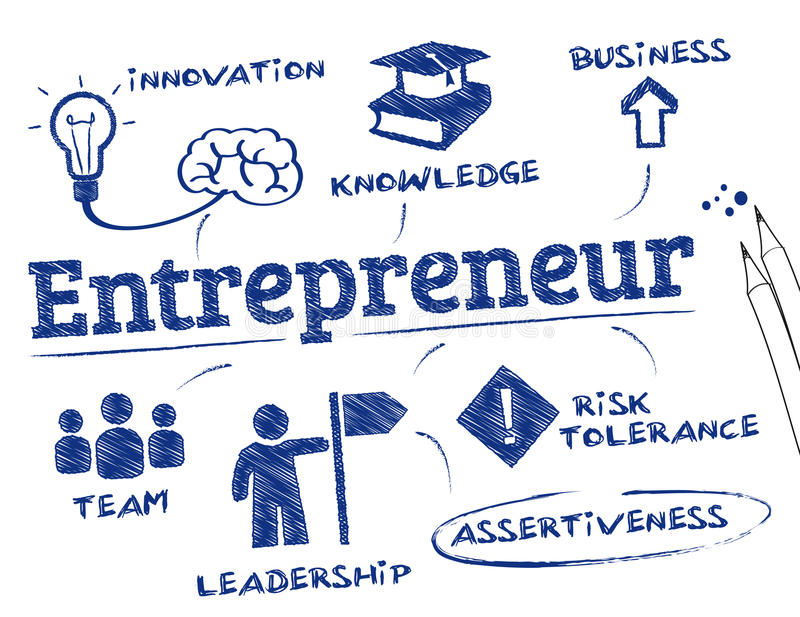
An entrepreneur is an individual who creates a new business, bearing most of the risks and enjoying most of the rewards. The process of setting up a business is known as entrepreneurship. The entrepreneur is commonly seen as an innovator, a source of new ideas, goods, services, and business/or procedures.

Entrepreneurs play a key role in any economy, using the skills and initiative necessary to anticipate needs and bring good new ideas to market. Entrepreneurship that proves to be successful in taking on the risks of creating a startup is rewarded with profits, fame, and continued growth opportunities. Entrepreneurship that fails results in losses and less prevalence in the markets for those involved.

Meaning of Entrepreneur[2]

The entrepreneur is defined as someone who has the ability and desire to establish, administer and succeed in a startup venture along with risk entitled to it, to make profits. The best example of entrepreneurship is the starting of a new business venture. The entrepreneurs are often known as a source of new ideas or innovators, and bring new ideas in the market by replacing old with a new invention.

It can be classified into small or home business to multinational companies. In economics, the profits that an entrepreneur makes is with a combination of land, natural resources, labour and capital.

In a nutshell, anyone who has the will and determination to start a new company and deals with all the risks that go with it can become an entrepreneur.

How Entrepreneurship Works

Entrepreneurship is one of the resources economists categorize as integral to production, the other three being land/natural resources, labor, and capital. An entrepreneur combines the first three of these to manufacture goods or provide services. They typically create a business plan, hire labor, acquire resources and financing, and provide leadership and management for the business.

Entrepreneurs commonly face many obstacles when building their companies. The three that many of them cite as the most challenging are as follows:

  1. Overcoming bureaucracy
  2. Hiring talent
  3. Obtaining financing

Characteristics of Entrepreneurs[3]

Being an entrepreneur requires specific skills. While some abilities might be naturally present, others can be learned or developed through careful practice. Understanding the qualities needed by entrepreneurs can help you grow to become a better business leader.

1. Passion

More often than not, entrepreneurs are extremely passionate about their work. It is this passion that maintains momentum during times of uncertainty. To become a more passionate business leader, you should focus more on the meaning of your work. Have a system to consistently remind yourself and your team that you are trying to solve a problem rather than just making more money.

Knowing that your commitment makes an impact may give you the drive you need to continue when doubt settles in or when the business gets difficult. Passion is what keeps you focused on your objective.

2. Motivation

Entrepreneurs need motivation to constantly push their skills to stay relevant in a dynamic market. To build motivation, you can start by looking at things at the micro-level. Set and achieve small goals to build a ladder towards larger ones. Maintain morale and confidence throughout your journey. Celebrate your small wins and keep a positive mindset.

Optimism facilitates creativity. When coupled with motivation, it enables you to develop new concepts and ideas. Use every opportunity or failure to analyse your shortcomings and take conscious measures to avoid them in the future. Entrepreneurs are dreamers with a plan of action. Keep your end goals in mind to stay motivated.

3. Product or service knowledge

Entrepreneurs should know what products or services they want to offer and who their target audience is. Clearly identify the category of your products or services and be very clear about how they are beneficial to your customers. Study customer needs thoroughly before building solutions.

You should constantly study your market to understand what customers need and promote the exact features that set you apart from your competitors. Talk to your clients and use their feedback to make changes and adjust your position as and when required.

4. Risk management

Entrepreneurs inevitably have to take risks. When faced with a difficult situation, you should make informed decisions after planning for all eventualities. As an entrepreneur, risk-taking is a must if you wish to emerge above your competition. With time, you improve at managing risks and recovering from failures. This further increases your level of comfort with challenges and helps you take your business to greater heights.

Always treat your journey as a learning process, and give equal importance to both your successes and your failures along the way. Keep your goal in mind and commit to consistent engagement.

5. Self-confidence

Entrepreneurs invest their time and resources in a particular initiative because they are confident about creating something better than what the market has to offer. The road to their goals may have poorly defined grey areas, but ultimately, those who persevere are the ones who succeed.

6. Money management

Entrepreneurs need to keep track of the financial situation of their business, its past record and future targets. Even if you hire an accountant, you are the final decision maker. You should be well aware of the financial situation of your business to be able to make sound decisions.

Practice basic money management skills by preparing a budget and committing to it. Invest available funds into the development of your business, but take only calculated financial risks during investments. Consult experts to understand the impact of your financial decisions in detail. The internet is also a treasure trove for free financial advice and guidelines. You should select your sources carefully and spend time learning the basics of financial management.

7. Vision

Entrepreneurship involves knowing what you want to achieve, setting a goal and working towards it through tangible milestones. Vision is what defines the identity of an organization. Not only does it keep you driven, but it also fuels general motivation across the workplace and encourages everyone involved to work towards the success of a venture.

You may start by identifying what your professional goals are and how they align with your vision. Following this, you may set milestones and plan an achievable timeline to guide your actions. This allows you to witness your progression and helps keep you committed to your goals. Prioritizing your tasks keeps you from feeling overwhelmed and lets you stay true to your vision in the long run.

8. Decision-making ability

Entrepreneurs often need to make quick decisions and take actions. To improve decision-making skills, always avoid reacting spontaneously to situations and circumstances. Understand all facets of a problem, inform yourself of its nuances and then proceed to action. Assess the impact of a decision you intend to take and avoid rushing into it at all costs. You can also narrow your options through a simple pros and cons list.

9. Adaptability

In the infant stages of a business, entrepreneurs often have to manage multiple aspects of the business-like finance, marketing and sales simultaneously. Flexibility in your schedule, as well as in your thinking, is crucial to continue growing in challenging situations. To increase your adaptability, approach all activities, be it personal or professional, with an open mind and be open to changing your ways if required. Experiment with new methods and embrace new trends to enhance your ability to adapt.

10. Ability to network

The ability to make connections and seize opportunities as and when they appear is crucial to successful entrepreneurship. Interacting with new people facilitates access to resources or knowledge that may otherwise be out of your reach. It allows you to learn from the success and failure of others, promote what you bring to the table and expand your business.

Although business relationships often have many superficial aspects to them, strive to build genuine relationships with clients and other professionals in your field. Try to make friends and acquaintances as part of running your business. If you come across someone who may benefit another person in your network, connect them. They will probably remember you and return the favor somewhere down the line.

Types of Entrepreneurs[4]

Entrepreneurs turn bold ideas into reality. They create jobs and contribute to the economy but there are different types of entrepreneurs and each type tends to choose their own path based on their personality, abilities and surroundings. 

The types of entrepreneurs vary depending on background, country and even sector but the most common types are: 

1. Innovators 

Innovators are the types of entrepreneurs who come up with completely new ideas and turn them into viable businesses. 

In most cases, these entrepreneurs change the way people think about and do things. Such entrepreneurs tend to be extremely passionate and obsessive, deriving their motivation from the unique nature of their business idea. 

Innovative entrepreneurs also find new ways to market their products by choosing product differentiation strategies that make their company stand out from the crowd. And sometimes it is not just standing out from the crowd but actually creating a new crowd. 

To say that innovators like Steve Jobs, Larry Page of Google and Microsoft founder Bill Gates were obsessed with their business would be an understatement. 

Advantages of Being an Innovate Entrepreneur: 

  • Get all the glory for the success of the business (and take all the arrows) 
  • Create the rules 
  • Face minimal competition during the initial days 

Disadvantages of Being an Innovate Entrepreneur: 

  • You will need a lot of capital to bring a new idea to life 
  • Often face resistance from shareholders 
  • The timeframe for success is longer 

The ability of an innovative entrepreneur to envision a new way of thinking makes them stand out from the crowd and wildly successful in many cases however it takes significant capital, patience and commitment to bring true innovation to life. 

2. The Hustler Entrepreneur 

Unlike innovators whose vision is the gas in their engine, hustlers just work harder and are willing to get their hands dirty.  Hustlers often start small and think about effort – as opposed to raising capital to grow their businesses. These types of entrepreneurs focus on starting small with the goal of becoming bigger in the future. 

Hustlers are motivated by their dreams and will work extremely hard to achieve them. They tend to be very focused and will get rid of all forms of distractions, favoring risks over short-term comfort. 

A perfect example of a hustler is Mark Cuban. He started in business very young selling trash bags, newspapers and even postage stamps and this hustle later created a goldmine which was acquired by internet giant Yahoo! 

Mark Cuban sold Broadcast.com to Yahoo for $5.7 billion in 1999. He is now a serial entrepreneur, owner of the Dallas Mavericks, long-time “Shark Tank” Shark, executive producer and bestselling author.   

Advantages of Being a Hustler 

  • They will outwork most 
  • Tend to have thick skin – they don’t give up easily 
  • See disappointment and rejection as just a step in the process 

Disadvantages of Being a Hustler 

  • Usually prone to burn out 
  • Wear out their team members who don’t have the same work ethic 
  • Often don’t see the value of raising capital as opposed to just working harder 

Even though many hustlers never give up, a lot of them are willing to try anything to succeed which unfortunately means that they have a lot of hits and misses. Achieving their dreams takes a lot longer than most other types of entrepreneurs. 

3. Imitators 

Imitators are the types of entrepreneurs who copy certain business ideas and improve upon them. They are always looking for ways to make a particular product better so as to gain an upper hand in the market. 

Imitators are part innovators and part hustlers who don’t stick to the terms set by other people and have a lot of self-confidence. 

Advantages of Imitators 

  • Refining a business idea is easier and less stressful 
  • You can easily benchmark your performance with the original idea 
  • Can learn and avoid mistakes that were made by the originator 

Disadvantages of Imitators 

  • Their ideas are always compared to the original idea 
  • Always have to play catch-up 
  • Taking an existing idea and refining and improving it can be a great way to develop a business.

4. Researcher 

Even after having an idea, researchers will take their time to gather all the relevant information about it. To them, failure is not an option because they have analyzed the idea from all angles. 

Researcher entrepreneurs usually believe in starting a business that has high chances of succeeding because they have put in detailed work to understand all aspects. 

As a result, these types of entrepreneurs usually take a lot of time to launch products to make decisions because they need the foundation of deep understanding. These entrepreneurs rely much more on data and facts than instincts and intuition. 

For a researcher, there should be no room for making mistakes. 

Advantages of Being a Researcher Entrepreneur 

  • Plan for as many contingencies as possible 
  • Write detailed, well-thought-out business and financial plans 
  • Focus on data and information rather than gut feeling 
  • Won’t start unless they feel like they know the market 
  • Will minimize the chances of failing in the business 

Disadvantages of Being a Researcher Entrepreneur 

  • Typically moves slow 
  • Doesn’t like risk and that can hamper progress in a new venture 
  • Even though these types of entrepreneurs spend a lot of time researching and digging into the data to ensure the success of their business, they can fall into the habit of obsessing over the numbers and focusing less on the running of the business. 
  • Jeff Bezos has spoken against this in a recent letter to shareholders where he asserted that “Most decisions should probably be made with somewhere around 70% of the information you wish you had”. 

5. Buyers 

One thing that defines buyers is their wealth. These types of entrepreneurs have the money and specialize in buying promising businesses. 

Buyer entrepreneurs will identify a business and assess its viability, proceed to acquire it and find the most suitable person to run and grow it. 

Advantages of being a Buyer 

  • Buying an already established venture is less risky 
  • Doesn’t have to worry so much about innovation 
  • Can focus on building on something that has already gone through building a foundation 
  • Already has a market for your products 

Disadvantages of being a Buyer 

  • Usually pays a high price for good businesses 
  • Will face the risk of buying businesses that have problems that you think you can turn around 

The Role of Entrepreneurship in Economic Development[5]

Economic development essentially means a process of upward change whereby the real per capita income of a country increases over a period of time. Entrepreneur plays a vital role in economic development. Entrepreneurs serve as the catalysts in the process of industrialization and economic growth. Technical progress alone cannot lead to economic development, unless technological breakthroughs are put to economic use by entrepreneurs. 

It is the entrepreneur who organizes and puts to use capital, labour and technology. Accordingly, “development does not occur spontaneously as a natural consequence when economic conditions in some senses are right. A catalyst is needed and this requires entrepreneurial activity to a considerable extent, the diversity of activities that characterizes rich countries can be attributed to the supply of entrepreneurs.” 

The entrepreneur is the key to the creation of new enterprises that energize the economy and rejuvenate the established enterprises that make up the economic structure. 

Entrepreneurs initiate and sustain the process of economic development in the following ways: 

1. Capital Formation: 

Entrepreneurs mobilize the idle savings of the public through the issues of industrial securities. Investment of public savings in industry results in productive utilization of national resources. Rate of capital formation increases which is essential for rapid economic growth. Thus, an entrepreneur is the creator of wealth. 

2. Improvement in Per Capita Income: 

Entrepreneurs locate and exploit opportunities. They convert the latent and idle resources like land, labour and capital into national income and wealth in the form of goods and services. They help to increase net national product and per capita income in the country, which are important yardsticks for measuring economic growth. 

3. Generation of Employment: 

Entrepreneurs generate employment both directly and indirectly. Directly, self-employment as an entrepreneur offers the best way for independent and honorable life. Indirectly, by setting up large- and small-scale business units they offer jobs to millions. Thus, entrepreneurship helps to reduce the unemployment problem in the country. 

4. Balanced Regional Development: 

Entrepreneurs in the public and private sectors help to remove regional disparities in economic development. They set up industries in backward areas to avail various concessions and subsidies offered by the central and state governments. 

Public sector steel plants and private sector industries by Tatas, Birlas and others have put their industries on the international map. 

5. Improvement in Living Standards: 

Entrepreneurs set up industries which remove scarcity of essential commodities and introduce new products. Production of goods on mass scale and manufacture of handicrafts, etc., in the small-scale sector help to improve the standards of life of a common man. These offer goods at lower costs and increase variety in consumption. 

6. Economic Independence: 

Entrepreneurship is essential for national self-reliance. Industrialists help to manufacture indigenous substitutes of hitherto imported products thereby reducing dependence on foreign countries. Businessmen also export goods and services on a large scale and thereby earn the scarce foreign exchange for the country. 

Such import substitution and export promotion help to ensure the economic independence of the country without which political independence has little meaning. 

7. Backward and Forward Linkages: 

An entrepreneur initiates change which has a chain reaction. Setting up of an enterprise has several backward and forward linkages. For example- the establishment of a steel plant generates several ancillary units and expands the demand for iron ore, coal, etc. 

These are backward linkages. By increasing the supply of steel, the plant facilitates the growth of machine building, tube making, utensil manufacturing and such other units. 

Entrepreneurs create an atmosphere of enthusiasm and convey a sense of purpose. They give an organization its momentum. Entrepreneurial behavior is critical to the long-term vitality of every economy. The practice of entrepreneurship is as important to established firms as it is to new ones. 

Manager Vs Entrepreneurs, Vs Intrapreneur      

Manager:

A manager is a professional who takes a leadership role in an organization and manages a team of employees. Often, managers are responsible for managing a specific department in their company. There are many types of managers, but they usually have duties like conducting performance reviews and making decisions. Managers are often the line of communication between a company’s employees and its high-level executives.

  • Administrating controlling, operating a business
  • Utilize available resources, implement strategies, ensures proper functioning of organization
  • Works for salary
  • Does not take risk
  • Vision & Mind-set Self-development & growth
  • Executor, planner

Entrepreneur:

An entrepreneur is an individual who sets up business or businesses, identifies and solves problems, is creative, innovative, opportunist, risk-taker, self-starter, and open-minded with the hope of making a profit from the enterprise.

  • Executing ideas & Setting up a business
  • Accumulates land, labor, tools, machinery, technology for organization
  • Works for profit
  • Take financial risk
  • Make profits and serve society
  • Inventor, innovator

Intrapreneur:

An intrapreneur is an inside entrepreneur, or an entrepreneur within a large firm, who uses entrepreneurial skills without incurring the risks as­sociated with those activities.

Intrapreneurs are usually employees within a company who are assigned to work on a special idea or project, and they are instructed to develop the project like an entrepreneur would. Intrapreneurs usually have the resources and capabilities of the firm at their disposal.

  • Intrapreneur refers to an employee of the organization who is in charge of undertaking innovations in product, service, process etc.
  • Use resources provided by the company
  • Capital is financed by the company
  • Risk is taken by the company
  • Change and renew the existing organizational system and culture


Factors influencing entrepreneurship[6]

Entrepreneurship is essential for the development of any economy. Countries which have flourished attribute their rise to the growth of entrepreneurship. Therefore, governments and people all over the world want to encourage this concept.

Political Factors

Political factors play a huge role in the development of entrepreneurship in a given geographical area. This is because politicians decide the type of market that is in place. The market could be capitalistic, communist or some countries have adopted a mixed economy. Each of these three markets has very different implications for the way in which entrepreneurs are required to function. Capitalism requires breakthrough innovation whereas communism requires entrepreneurs to be well connected with the political class. Therefore, it has been observed that the more capitalistic any country is, the more entrepreneurship flourishes in the region.

Legal Factors

Entrepreneurs are dependent upon law for a wide variety of factors. The strength and fairness of the legal system of a nation affect the quality of entrepreneurship to a large extent. This is because entrepreneurs require a wide variety of legal services to function. For instance, entrepreneurs would require the courts to enforce the contracts that were entered to between parties. In many countries such contracts are not enforceable and therefore the resultant risk prohibits the development of entrepreneurship. Then again, the entrepreneurs are dependent on the courts for the protection of their property rights. Also, many advanced countries have noticed that the provision of declaring bankruptcy has been positively associated with the development of entrepreneurship. Entrepreneurs do fail a few times before they find the right innovation that leads to their success. The United States is amongst the countries with the highest rate of entrepreneurial development and it is also known to have one of the most advanced bankruptcy laws! Even business legends like Henry Ford had declared bankruptcy in their early days.

Taxation

The government can also influence a high degree of control on the market through provisions of taxation. Some amount of taxation is necessary for the government to maintain the legal and administrative systems in place for the entire economy. However, a lot of times governments resort to excessive taxation. They usually adopt the policy of beggaring the rich and giving it off to the poor. This goes against the basic tenets of entrepreneurship which believes in survival of the fittest. Therefore, countries where tax regimes are restrictive find an outflow of entrepreneurs. In short, entrepreneurs want to set up shop in places where there is minimal interference from the government.

Availability of Capital

The degree to which the capital markets of a nation are developed also play a huge role in the development of entrepreneurship in a given region. Entrepreneurs require capital to start risky ventures and also require instant capital to scale up the business quickly if the idea is found to be successful. Therefore, countries which have a well developed system of providing capital at every stage i.e. seed capital, venture capital, private equity and well developed stock and bond markets experience a higher degree of economic growth led by entrepreneurship.

Labor Markets

Labor is an important factor of production for almost any kind of product or service. The fortunes of the entrepreneurs are therefore dependent on the availability of skilled labor at reasonable prices. However, in many countries labor has become unionized. They demand higher wages from the entrepreneurs and prohibit other workers from working at a lower price. This creates an upward surge in the costs required to produce and as such has a negative effect on entrepreneurship.

With the advent of globalization, entrepreneurs have witnessed the freedom to move their operations to countries where labor markets are more favorable to them. This is the reason why countries like China, India and Bangladesh have witnessed a huge rise in entrepreneurial activity in their countries.

Raw Materials

Just like labor, raw material consisting of natural resources is also an essential product required for any industry. In some countries this raw material is available through the market by paying a fair price. However, in some countries seller cartels gain complete control over these natural resources. They sell the raw materials at inflated prices and therefore usurp most of the profit that the entrepreneur can obtain. Therefore, countries where the supply of raw material faces such issues witness depletion in the number of entrepreneurial ventures over time.

Infrastructure

Lastly, there are some services which are required by almost every industry to flourish. These services would include transport, electricity etc. Since these services are so basic, they can be referred to as the infrastructure which is required to develop any business. Therefore, if any country focuses on increasing the efficiency of these services, they are likely to impact the businesses of almost all entrepreneurs in the region. Therefore, countries which have a well developed infrastructure system witness high growth of entrepreneurship and the opposite is also true.

Meaning of Idea

  • A plan, purpose, or goal.
  • Something one thinks, knows, or imagines; a thought; mental conception or image; notion.
  • A plan; scheme; project; intention; aim.
  • Something, such as a thought or conception, that is the product of mental activity.
  • A sense that something can happen; a notion or expectation.

Sources of New Idea

Sources of new ideas for Entrepreneurs[7]

Entrepreneurs frequently use the following sources of ideas:

1. Consumers– the potential consumer should be the final focal point of ideas for the entrepreneurs. The attention to inputs from potential consumers can take the form of informally monitoring potential ideas or needs or formally arranging for consumers to have an opportunity to express their concerns. Care needs to be taken to ensure that the new idea or the needs represents a large enough market to support a new venture.

2. Existing Companies– with the help of an established formal methods potential entrepreneurs and intrapreneurs can evaluate competitive products & services on the market which may result in new and more market appealing products and services.

3. Distribution channels– members of the distribution channels are familiar with the needs of the market and hence can prove to be excellent sources of new ideas. Not only do the channel members help in finding out unmet or partially met demands leading to new products and services, they also help in marketing the offerings so developed.

4. Government– it can be a source of new product ideas in two ways firstly, the patent office files contain numerous product possibilities that can assist entrepreneurs in obtaining specific product information, and secondly, response to government regulations can come in the form of new product ideas.

5. Research & development– Entrepreneur’s own R&D is the largest source of new idea. A formal and well-equipped research and development department enables the entrepreneur to conceive and develop successful new product ideas.

Methods of Generating Ideas

Creative Idea Generation Methods[8]

No matter what you do for a living, the success of your business probably depends on how good and creative you are. The ability to come up with fresh and exciting ideas is what separates top-performers from their less successful peers, so you definitely need to think of how to improve this skill.

Idea generation is defined as the process of creating, developing and communicating abstract, concrete, or visual concepts. To put it simply, it’s the process that requires finding new solutions for practical problems in all fields of life and work.

#1 The 5W+H Method

1. Who?, 2. What?, 3. Where?, 4. When?, 5. Why?, 6. How?

Although it may seem like a random set of numbers at first glance, the 5W+H method is a really meaningful way to cope with the creative drought. The technique represents basic questions you need to ask when thinking about a specific topic: Who, what, where, when, why, and how?

Jason Richardson, a content creator at essay papers, shared his thoughts with us: “If you answer each of the 5W+H questions precisely – regardless of the topic – you can get one step closer to solving your problem. These answers should stimulate your brain to rethink the whole subject and find a new angle of looking at things.”

#2 Social Listening

Idea generation doesn’t mean you have to come up with a great suggestion single-handedly. On the contrary, sometimes it’s enough to do a little bit of social listening and see what the target audience has to say about a certain topic. You can use social networks like Facebook or Twitter to find precious ideas coming from end-users.

Besides that, you can always organize an opinion poll to directly ask people what they want. For example, a platform such as Survey Monkey allows you to launch a simple survey within minutes, so why not use it as the idea generation tool?

#3 Brainstorming

Brainstorming is a well-known method that people all over the world use for decades already. What makes this tactic so popular? Well, it’s the fact that no one gets laughed at for proposing a stupid idea. There is no right or wrong here – you just need to say the first thing that comes to your mind and that’s it. After a quick brainstorming session, you just need to filter through all suggestions and find the ones that have the biggest potential to succeed.

#4 Role Playing

Walking in someone else’s shoes is everything but easy, but sometimes it’s the only way to break the barrier and think of a brilliant idea. The process is simple: you just need to switch places with your colleagues and try to embrace their point of view. It doesn’t guarantee immediate results, but it often leads to interesting conclusions and brand-new ideas.

#5 Use Online Tools

The Internet is filled with interesting tools that can assist you in identifying alternative ideas. You can choose between many different options, but the final decision usually depends on the nature and peculiarities of your business. However, we can definitely recommend a couple of valuable platforms here:

Evernote: Nothing hurts like coming up with amazing solutions and forgetting it along the way. Evernote prevents this because it allows you to write down every thought instantly.

Ninja Essays: It’s a team of incredibly creative authors who can help you to brainstorm and craft high-quality topics for your websites, blogs, or research papers.

#6 Mind Mapping

Mind mapping is another method to get through the creative drought successfully. By definition, a mind map is a diagram for representing tasks, words, concepts, or items linked to and arranged around a central concept or subject using a non-linear graphical layout that allows the user to build an intuitive framework around a central concept.

Let’s say you are writing a screenplay. In this case, you can put the main character in the center of the map and then add links leading to all other elements of your movie – from plot and love relationships to supporting roles.

#7 Think in Reverse

The last solution on our list is very amusing. Instead of thinking about how to reach your goal, you can think about how not to achieve it. For example, you can plan on how to reduce the number of Instagram followers instead of increasing it. The so-called negative thinking often leads people to unbelievable conclusions, which in turn brings them a bunch of new ideas.

Conclusion

You can be the most creative person in the world, but it won’t save you from an occasional creative drought. Everybody knows that feeling when you feel miserable because you just can’t seem to think of a good idea, but there is a way to get out of the whole.

Opportunities recognizing-Product Planning and Development Process.

Product Planning[9]

Product planning is an essential process for companies that create, manufacture and sell goods. Having a product development plan allows businesses to assess their current customer demographics, identify markets for expansion and create product development goals that help them gain, retain and serve their customers. Learning about product planning can help you create a product development strategy that grows your business.

What is product planning?

Product planning is the process of developing successful products to offer your customers. It includes all aspects of the product development cycle, including market research, strategic planning, product design and development, manufacturing and pricing. A product development plan helps you construct realistic goals for each stage of the development process. It also allows you to measure your progress toward those goals, assess your successes and make adjustments as needed.

4 product planning examples:

1. Start with a target market

The first approach to developing a successful product plan is to know which customers you want to target with your new product. Conducting market research helps you identify the needs of your customers, clarify your focus on key demographics and design products with the specific desires of your customers in mind. As part of this stage of the product planning process, performing quantitative and qualitative research through surveys, focus groups, interviews and other methods can help you gain insight into what your customers want and how your products can fit their needs.

Example: Blue Hibiscus Beauty manufactures and sells makeup, skincare products and hair accessories through its online store. As part of its market research strategy, it distributes surveys to each customer who makes a purchase from its shop. The survey includes several demographic questions and an open-ended response portion that asks each participant to describe what products they’d most like Blue Hibiscus Beauty to carry. Based on the survey results, the company learns that its core demographic of female shoppers between the ages of 18 and 25 wants sustainable and easy-to-apply eyeliner, so it begins developing this product.

2. Focus on customer retention

Another approach to product planning is to consider opportunities to retain current customers. Businesses often look to implement new products that appeal to their current customers in order to retain them and encourage repeat purchases. To improve customer retention, businesses can conduct research into their current customers’ buying habits to identify their most popular products, to notice which products customers often purchase together and to determine whether they can offer additional products to supplement or support the functions of their existing products.

Example: Remote Work Fitness sells home workout equipment to its customers and wishes to expand its available products to improve its customer retention. Through its market research, the business identifies that most customers purchase only a few pieces of home gym equipment and rarely return to purchase additional equipment, despite leaving positive reviews. The company decides to expand its product selection to include dietary supplements to appeal to its customer base of home exercise enthusiasts. Since customers need to resupply their supplements periodically, introducing this product may improve Remote Work Fitness’ customer retention.

3. Focus on new customers

The next way to conduct product planning is to identify opportunities to gain new customers by expanding your selection of products. To conduct this method of product planning, consider your current target market and related markets that you haven’t yet accessed. Knowing which demographics are related to your current target market can help you identify opportunities for expansion.

Example: Garden Fleece Market is a small community grocery store that sells fresh produce from local farmers. Although it has a loyal customer base, the store hopes to increase its new customers by 25% over the next fiscal year. To attract new customers, the store decides to expand its product selection to include a butcher, a bakery and a selection of locally made care products like lip balm, lotion, bar soap and essential oils. Its plan to expand its product selection involves contacting local vendors to supply these items. By stocking more diverse products, the store hopes to gain new customers.

4. Optimize for growth

One important consideration during the product planning process is optimizing your manufacturing operations and product availability for growth. This means accounting for the expenses of developing, manufacturing, transporting, storing and selling a new product while anticipating your earnings to ensure your new product is profitable. The process of developing new products can be expensive, so it’s important to conduct thorough research into your target market. This research helps you determine how likely your customers are to purchase your product and how much they’re willing to pay for it so you can budget effectively.

Example: Tilly’s Knitting Supply Store is a small business that sells craft supplies. The business is interested in expanding to include a custom picture frame service. The company plans to create the custom frames in-store by working directly with customers to design and craft each frame. As part of its product plan, Tilly’s Knitting Supply Store performs thorough research to gain an estimate of how many customers might use the service each quarter. It then creates a budget to determine how much to spend on materials and how much to charge for the services in order to make a profit.

Product Development Steps[10]

The steps are: 1. Generation of New Product Ideas 2. Screening of Ideas 3. Product Concept Development 4. Commercial Feasibility 5. Product Development 6. Test Marketing 7. Commercialisation.

Step # 1. Generation of New Product Ideas:

The first step in product planning and development is generation of ideas for the development of new/innovative products.

Ideas may come from internal sources like company’s own Research and Development (R&D) department, managers, sales-force personnel etc.; or from external sources like, customers, dealers, competitors, consultants, scientists etc.

At this stage, the intention of management is to generate more and more new and better product ideas; so that the most practical and profitable ideas may be screened subsequently.

Step # 2. Screening of Ideas:

Screening of ideas means a close and detailed examination of ideas, to determine which of the ideas have potential and are capable of making significant contribution to marketing objectives. In fact, generation of ideas is not that significant as the system for screening the generated ideas.

The ideas should be screened properly; as any idea passing this stage would cost the firm in terms of time, money and efforts, at subsequent stages in product planning and development.

Step # 3. Product Concept Development:

Those product ideas which clear the screening stage must be developed into a product concept – identifying physical features, benefits, price etc. of the product. At this stage product idea is transformed into a product concept i.e. a product which target market will accept.

Step # 4. Commercial Feasibility:

At this stage, the purpose is to determine whether the proposed product idea is commercially feasible, in terms of demand potential and the costs of production and marketing. Management must also ensure that product concept is compatible with the resources of the organization technological, human and financial.

Step # 5. Product Development:

Product development encompasses the technical activities of engineering and design. At this stage, the engineering department converts the product concept into a concert form of product in view of the required size, shape, design, weight, colour etc. of the product concept.

A model or prototype of the product is manufactured on a limited scale. Decisions are also made with regard to packaging, brand name, label etc. of the product.

Step # 6. Test Marketing:

A sample of the product is tested in a well-chosen and authentic sales environment; to find out consumers’ reaction. In view of consumers’ reactions, the product may be improved further.

Step # 7. Commercialisation:

After the management is satisfied with the results of test marketing, steps are taken to launch a full-fledged programme for the production, promotion and marketing of the product. It is the stage where the new product is born; and it enters it life cycle process.

Latest policies of government towards entrepreneurship.[11]


[1] https://www.investopedia.com/terms/e/entrepreneur.asp#

[2] https://byjus.com/commerce/what-is-entrepreneurship/

[3] https://in.indeed.com/career-advice/career-development/characteristics-of-an-entrepreneur

[4] https://lonelyentrepreneur.com/types-of-entrepreneurs/

[5] https://www.economicsdiscussion.net/entrepreneurs/role-of-entrepreneurs-in-economic-development/31496

[6] https://www.managementstudyguide.com/factors-which-affect-entrepreneurship.htm

[7] https://abhishekkatiyar.wordpress.com/2005/07/21/sources-of-new-ideas-for-entrepreneurs-2/

[8] https://magazine.startus.cc/7-creative-idea-generation-methods/

[9] https://www.indeed.com/career-advice/career-development/product-planning-examples

[10] https://www.yourarticlelibrary.com/production-management/product-planning/product-planning-and-development-top-7-steps/69574

[11] https://yourstory.com/2022/05/government-schemes-indian-startup-ecosystem-samridh-msmes/amp